Antidiabetic Tablets Manufacturer India | Salus Pharmaceuticals
Three things decide whether a diabetes order works commercially in an emerging market, and none of them is the molecule. Metformin still anchors almost every treatment plan. Price is set by public procurement rather than by the pharmacy shelf. And pack size moves the landed cost more than the active ingredient does. Buyers who understand those three points stop guessing at diabetes tenders and start costing them.
The demand is concentrated where budgets are thinnest
The International Diabetes Federation now puts the number of adults aged 20–79 living with diabetes at 589 million, or 11.1% of that age group, rising to a projected 853 million by 2050. That is 45% growth against roughly 25% population growth over the same period — diabetes is outrunning demography.
The number that matters more to a procurement officer is the undiagnosed one. Around 252 million adults — 42.8% of everyone with diabetes — do not yet know they have it, and 86.9% of those undiagnosed cases sit in low- and middle-income countries. In South-East Asia, 42.7% of the diabetic population is undiagnosed.
That gap is the forecasting problem. Africa currently records the world’s lowest age-standardised prevalence at 5.0%, but it is not a low-demand market — it is a low-diagnosis market. Every screening programme, every insurance expansion, every new district-level clinic converts undiagnosed prevalence into prescriptions, and the demand curve steps up rather than sloping. If you forecast a diabetes tender on today’s dispensing volumes alone, you will under-order. Forecast on diagnosis capacity instead.
Metformin still anchors the order book
The therapeutic conversation has moved on considerably. In September 2025 the WHO added semaglutide, dulaglutide, liraglutide and tirzepatide to its Model List of Essential Medicines — but for a deliberately narrow group: adults with type 2 diabetes who also have established cardiovascular disease or chronic kidney disease and obesity. In the same announcement, the WHO was blunt that “high prices of medicines like semaglutide and tirzepatide are limiting access,” and called for generic competition to bring them down .
Affordability pressure is structural, not seasonal
In India, scheduled antidiabetic formulations sit under ceiling prices set by the NPPA under the Drug Prices Control Order. Published research on partial price control of metformin has shown a predictable consequence: when only some strengths and forms are controlled, the market shifts toward combinations and presentations that are not. Any manufacturer quoting an Indian-market diabetes product is quoting inside that structure, and any importer benchmarking against Indian domestic prices should know which side of the schedule they are looking at.
Export and institutional tenders apply the same pressure by a different route: lowest-evaluated-bid award. On a molecule as commoditised as metformin, no amount of formulation cleverness recovers a bad price. The margin is not in the API. It is in batch size, packing efficiency, yield, and rejection rate — the four things a buyer can actually influence by how they write the enquiry.
Pack size decides the tender price
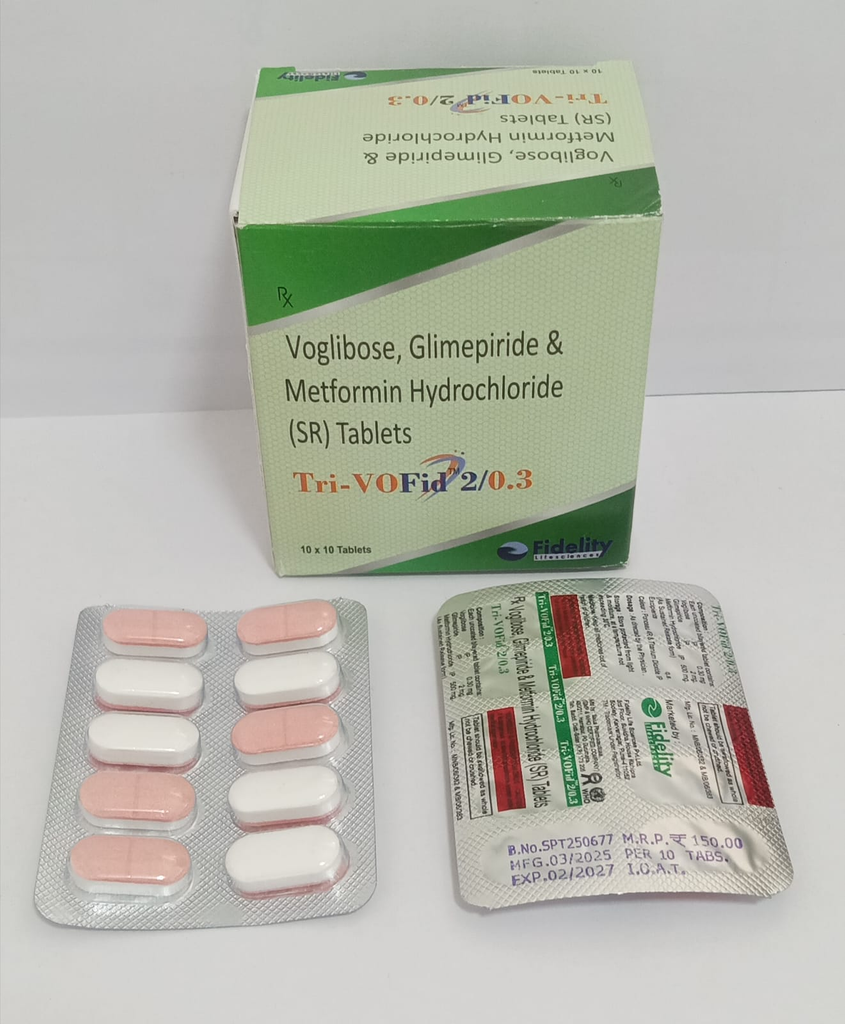
This is the point most enquiries miss. On a low-cost, high-volume tablet, primary packing, carton, insert and shipper can account for a substantial share of ex-works cost. Change the pack configuration and you change the bid.
The shape of the effect, using illustrative figures — plug in current rates before you rely on them:
| Pack configuration | Packing cost per tablet | Notes |
|---|---|---|
| 10s blister | Highest | Familiar retail pack; most foil and carton per tablet |
| 15s alu -alu | High | Common private-channel size in South Asia. Better moisture barrier, fewer cartons per thousand tablets |
| 100s HDPE container | Lowest | Cheapest per tablet; needs dispensing infrastructure at the clinic. Strong fit for institutional dispensing |
Two cautions before you optimise straight to the largest pack. First, metformin tablets are physically large, especially at higher strengths, so pack volume drives freight and warehouse cost as well as material cost — a container’s worth of 10s blisters holds far fewer treatment courses than the same container of bulk packs. Second, the pack has to survive the market it ships to: stability at 30°C/75% relative humidity has to be demonstrated for the specific pack you intend to buy, not for the product in general.
The practical fix is simple. Ask for two or three pack configurations in every quotation, not one.
Four questions worth putting in the enquiry
- Which strengths, and immediate- or sustained-release? These are different manufacturing routes with different costs — settle it before pricing.
- Stability data at 30°C/75% RH for the exact pack offered. A quote without pack-specific stability data is not yet a quote.
- Blister, alu-alu or HDPE — with a packing cost per tablet for each. This is where the bid is won.
- Batch size and minimum order at each configuration. A price that only holds at a batch size you will never order is not a usable price.
How Salus approaches diabetic care
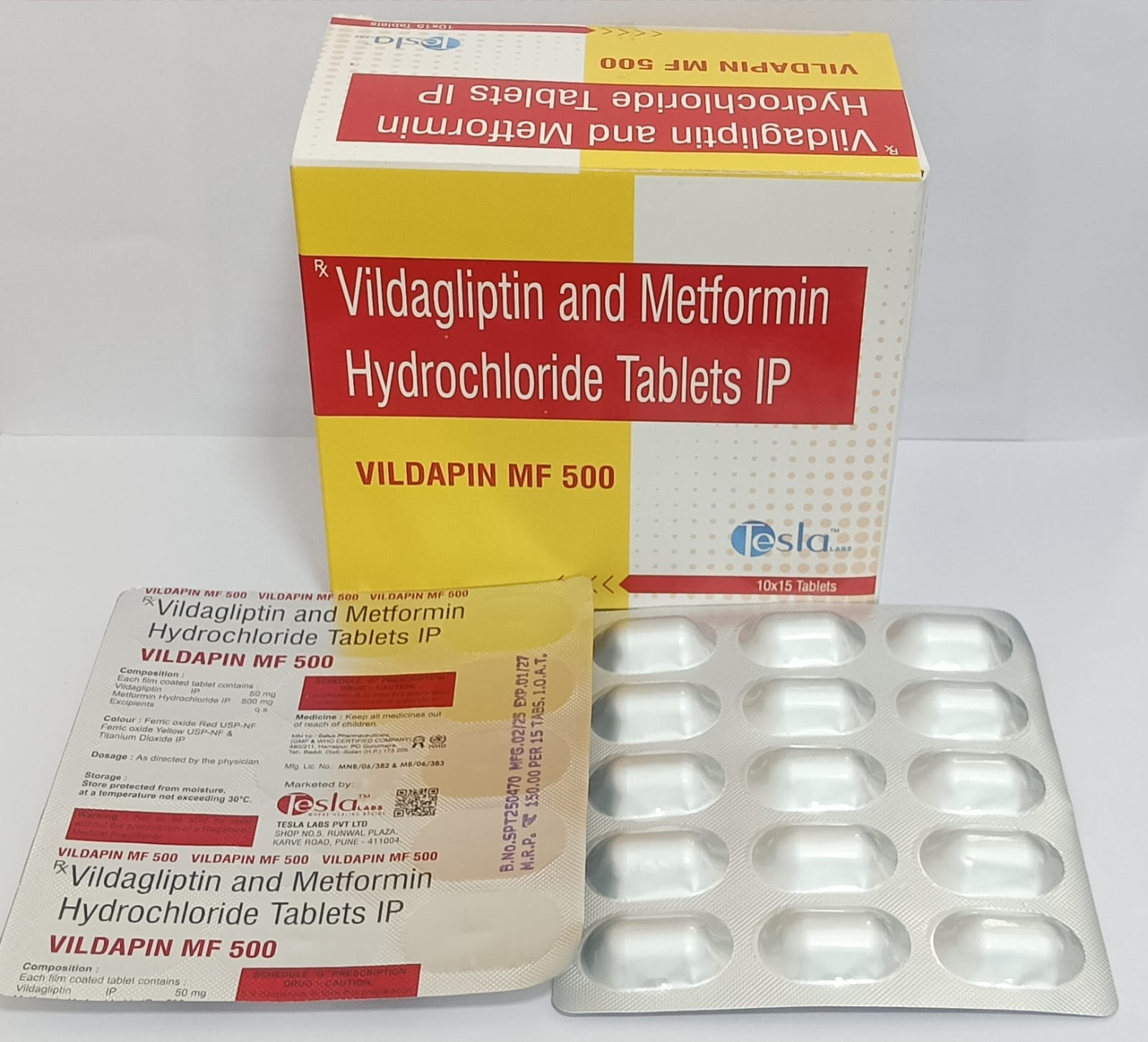
Salus Pharmaceuticals has manufactured formulations at its WHO-GMP and ISO 9001:2015 certified facility in Baddi, Himachal Pradesh since 2005, with diabetic care among its 21-plus therapeutic categories. Tablets are supplied in blister and capsules in alu-alu packs, and diabetes enquiries are quoted across more than one pack configuration as a matter of course, because the configuration is usually what decides whether the order is viable.
Send us the strengths, the annual volume and the destination market, and we will come back with a costing across pack options rather than a single line item.
[View the diabetic care range →]
Leave a Reply